
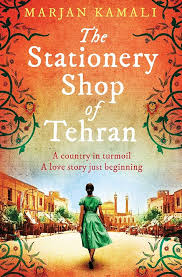
The Stationery Shop is a beautifully written historical novel that blends romance, family drama, and political history into a deeply moving story. Set against the backdrop of 1950s Tehran and later the United States, Marjan Kamali explores themes of first love, loss, destiny, and the lasting impact of political turmoil. Rich in emotion and cultural detail, this novel is both a heartfelt love story and a powerful portrait of a country in transition.
Plot Overview
In 1953 Tehran, seventeen-year-old Roya is a passionate reader who finds comfort in a charming stationery shop owned by a kind bookseller. There, she meets Bahman, an aspiring journalist with a love for literature and dreams of creating a better future for Iran.
As their friendship blossoms into a deep romance, the couple plans to marry. But on the day they are supposed to meet before announcing their engagement, Bahman never arrives. A dramatic political upheaval changes the course of their lives, leaving Roya heartbroken and searching for answers.
More than sixty years later, now living in the United States, Roya unexpectedly reconnects with Bahman. Their reunion forces them to confront the past, uncover long-buried truths, and reflect on the choices that shaped their lives.
Writing Style
Marjan Kamali writes with grace, warmth, and emotional depth. Her vivid descriptions bring Tehran’s bustling streets, cafés, and stationery shops to life, while the dual-timeline narrative keeps readers engaged. The prose is elegant yet accessible, making the novel both immersive and emotionally resonant.
Characters
Roya
Roya is intelligent, compassionate, and deeply devoted to the people she loves. Her journey through hope, heartbreak, and healing makes her a relatable and memorable protagonist.
Bahman
Bahman is thoughtful, idealistic, and passionate about literature and justice. His dreams and struggles reflect the uncertainty of a generation shaped by political change.
Supporting Characters
The supporting cast—including family members and the beloved stationery shop owner—adds richness to the story, highlighting themes of love, loyalty, and sacrifice.
Themes
The novel explores several meaningful themes:
- First love
- Fate and missed opportunities
- Family expectations
- Political unrest
- Memory and forgiveness
- Identity and belonging
- The enduring power of hope
These themes are woven seamlessly into the romance and historical setting, giving the novel both emotional and historical significance.
What Works Well
- Beautifully written prose
- Heartfelt and unforgettable love story
- Rich historical and cultural setting
- Well-developed characters
- Emotional depth without melodrama
- Thought-provoking exploration of history and destiny
What Could Be Better
- The pacing is gentle and reflective rather than action-driven.
- Some readers may wish for more detail about the political events.
- The emotional tone is bittersweet throughout.
- Contains themes of political violence, loss, and heartbreak.
Who Should Read This Book?
The Stationery Shop is perfect for readers who enjoy:
- Historical fiction
- Literary romance
- Emotional love stories
- Multigenerational family dramas
- Books with rich cultural settings
- Character-driven fiction
The novel is suitable for adult readers and older teens who appreciate thoughtful, emotionally layered storytelling.
Final Thoughts
The Stationery Shop is a poignant and beautifully crafted novel about love, memory, and the enduring hope that some stories deserve a second chance. Marjan Kamali skillfully combines history with romance, creating a narrative that is as emotionally moving as it is culturally rich. The unforgettable characters and elegant storytelling make this a novel that lingers in the reader’s mind long after the final page.
If you enjoy historical fiction with heartfelt romance and meaningful themes, The Stationery Shop is a must-read.