
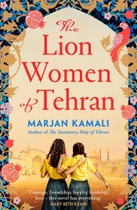
The Lion Women of Tehran is a powerful historical novel by Marjan Kamali that explores the enduring strength of female friendship against the backdrop of Iran’s political and social transformation. Rich in emotion, history, and cultural detail, the novel tells a deeply moving story of loyalty, ambition, sacrifice, and resilience. Like Kamali’s bestselling The Stationery Shop, this book beautifully blends personal relationships with significant historical events.
Plot Overview
Set in Tehran during the 1950s and spanning several decades, the novel follows Ellie, a young girl from a privileged family, and Homa, a fearless and determined girl from a working-class background.
Despite their different circumstances, the two form an extraordinary friendship that shapes their lives. As Iran undergoes dramatic political upheavals—including social reforms, revolution, and changing expectations for women—their paths begin to diverge. Dreams, family obligations, and personal choices test the bond they once believed was unbreakable.
Years later, the women must confront the decisions that defined their lives and discover whether friendship can survive time, distance, and betrayal.
Writing Style
Marjan Kamali’s writing is elegant, evocative, and emotionally rich. She seamlessly combines historical events with intimate character development, allowing readers to experience both the personal and political dimensions of the story. Her vivid descriptions of Tehran create a strong sense of place, while the emotional narrative keeps readers invested from beginning to end.
Characters
Ellie
Ellie is thoughtful, sensitive, and deeply influenced by the opportunities and expectations that come with privilege. Her journey is one of self-discovery, regret, and personal growth.
Homa
Homa is courageous, intelligent, and fiercely independent. Her determination to challenge injustice and fight for a better future makes her one of the novel’s most inspiring characters.
Supporting Characters
Family members, friends, and community figures enrich the narrative, illustrating the complex social and political realities of Iran across multiple decades.
Themes
The novel explores several profound themes:
- Female friendship
- Women’s rights and empowerment
- Class differences
- Political upheaval
- Identity and belonging
- Love and sacrifice
- Forgiveness and resilience
These themes give the novel emotional depth while offering meaningful insight into Iran’s modern history.
What Works Well
- Beautifully written and emotionally compelling
- Powerful portrayal of lifelong friendship
- Rich historical and cultural setting
- Complex, well-developed characters
- Thought-provoking exploration of women’s lives
- Strong emotional impact
What Could Be Better
- The slower pacing may not appeal to readers seeking action-driven plots.
- Some historical events are introduced briefly rather than explored in depth.
- The emotional themes can be intense and bittersweet.
- Contains themes of political violence, discrimination, and loss.
Who Should Read This Book?
The Lion Women of Tehran is perfect for readers who enjoy:
- Historical fiction
- Women’s fiction
- Literary fiction
- Stories about friendship
- Character-driven novels
- Multigenerational family and cultural narratives
The novel is recommended for adult readers who appreciate emotionally layered stories with historical and cultural depth.
Final Thoughts
The Lion Women of Tehran is a moving tribute to friendship, courage, and the resilience of women in the face of social and political change. Marjan Kamali once again demonstrates her talent for blending history with intimate storytelling, creating a novel that is both deeply personal and historically significant.
With unforgettable characters, emotional depth, and a beautifully realized setting, The Lion Women of Tehran is a remarkable read that will stay with readers long after the final page.