
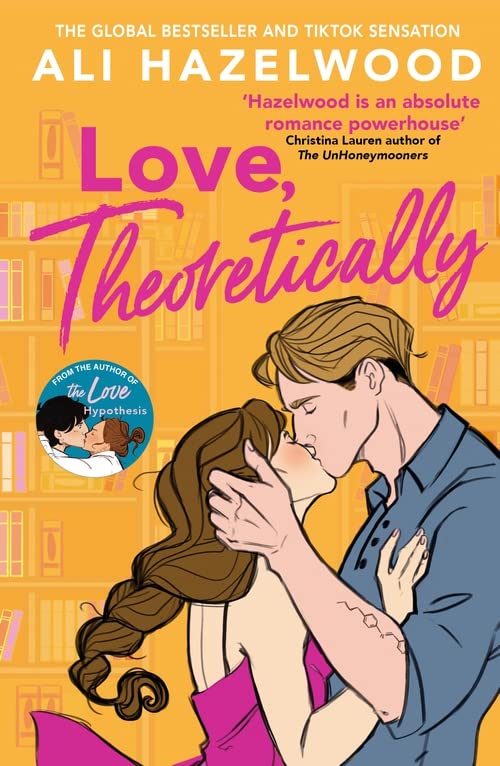
Love, Theoretically is a smart, funny, and emotionally satisfying romance that showcases Ali Hazelwood at her best. Set in the competitive world of academia, the novel combines witty banter, slow-burn chemistry, and meaningful character development. More than just a love story, it explores identity, ambition, self-worth, and the importance of embracing your authentic self.
Plot Overview
Elsie Hannaway is a theoretical physicist struggling to secure a stable academic career. To supplement her income, she works as a fake girlfriend through a dating service, adapting her personality to match what others want from her. While she excels at pleasing everyone around her, she often loses sight of who she truly is.
Everything changes when she crosses paths with Jack Smith, an accomplished experimental physicist who unexpectedly becomes part of her professional life. What begins with misunderstandings and academic rivalry gradually develops into mutual respect, undeniable attraction, and a heartfelt romance. As their relationship deepens, Elsie must learn to trust herself and stop living according to other people’s expectations.
Writing Style
Ali Hazelwood’s writing is witty, engaging, and effortlessly readable. The dialogue is filled with humor and clever banter, while the emotional moments feel sincere and well-earned. Although the novel is rooted in the world of science, the technical details are presented in an accessible way, making the story enjoyable even for readers without a STEM background.
Characters
Elsie Hannaway
Elsie is intelligent, compassionate, and highly relatable. Her journey from chronic people-pleaser to a confident woman who values her own voice is both inspiring and believable.
Jack Smith
Jack is calm, supportive, and refreshingly respectful. Beneath his confident exterior is a thoughtful and caring partner whose unwavering belief in Elsie makes him one of Ali Hazelwood’s strongest romantic heroes.
Supporting Characters
The supporting cast adds warmth, humor, and realism to the story, creating a lively academic setting while strengthening the emotional core of the novel.
Themes
The novel explores several meaningful themes:
- Self-acceptance and authenticity
- Love built on trust and respect
- Women in STEM
- Academic competition
- Personal growth
- Communication and emotional vulnerability
These themes elevate the novel beyond a typical romantic comedy, giving readers both entertainment and emotional depth.
What Works Well
- Excellent chemistry between the main characters
- Witty, natural dialogue
- Strong emotional character development
- Refreshing academic setting
- Meaningful exploration of identity and self-worth
- Satisfying slow-burn romance
What Could Be Better
- Some scientific discussions may feel lengthy for readers unfamiliar with academia.
- A few romance tropes follow familiar patterns.
- The pacing slows slightly in the middle.
- Contains mature romantic scenes intended for adult readers.
Who Should Read This Book?
Love, Theoretically is perfect for readers who enjoy:
- Contemporary romance
- Slow-burn relationships
- Romantic comedies
- STEM and academic settings
- Intelligent, character-driven love stories
- Strong female protagonists
Because the novel contains mature themes and explicit romantic content, it is recommended for adult readers.
Final Thoughts
Love, Theoretically is one of Ali Hazelwood’s most polished and emotionally rewarding novels. With memorable characters, sparkling chemistry, and a thoughtful message about embracing your true self, it delivers a romance that is both entertaining and meaningful. The combination of humor, heart, and academic charm makes this book a standout in the contemporary romance genre.
Whether you’re already a fan of Ali Hazelwood or looking for your first STEM romance, Love, Theoretically is a delightful read that leaves you smiling long after the final chapter.